
Modernizing your home’s infrastructure is one of the most effective ways to improve comfort, safety, efficiency, and long-term value. As homes age, their mechanical, structural, and technological systems gradually become outdated or less reliable. Upgrades that once seemed optional—like more efficient heating systems, advanced plumbing fixtures, and durable roofing materials—are now essential for keeping a home functional and resilient. With rising utility costs and evolving building standards, homeowners must invest in strategic upgrades that deliver both immediate and long-term benefits.
Infrastructure modernization is not just about replacing worn-out components; it’s about creating a high-performing home that supports modern living. Today’s homeowners expect personalized climate control, uninterrupted hot water, reliable protection from weather, and plumbing that can withstand daily demands. Meanwhile, technology plays a growing role in monitoring home performance, reducing waste, and preventing damage before it occurs. Understanding how each system contributes to the overall health of your home makes it easier to prioritize upgrades, coordinate improvements, and work with trusted professionals.
This comprehensive guide explores practical and innovative ways to enhance your home’s essential systems. From roofing and plumbing to climate control and modern renovations, each section provides actionable insights and detailed recommendations to help you make informed decisions. Whether you’re planning major renovations or incremental improvements, these strategies will help you maximize efficiency, reduce future repair costs, and create a more comfortable and resilient living environment.
Improving Climate Control Systems for Long-Term Efficiency
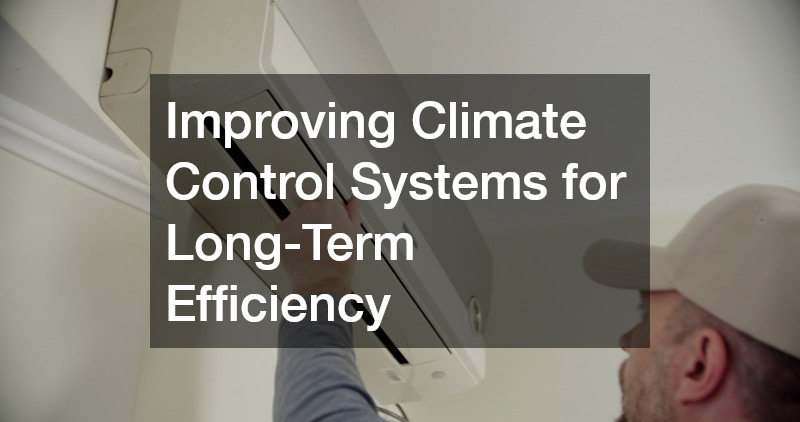
Upgrading your home’s climate control system is an essential part of modernizing overall infrastructure. Outdated heating and cooling systems often consume more energy, cost more to maintain, and struggle to keep indoor temperatures stable. The hot water system is just as critical, as it directly affects daily routines such as bathing, cooking, and laundry. A modern and efficient climate control system delivers comfort while reducing monthly utility expenses.
Conduct a Full Evaluation of Your Climate Control Systems
A thorough assessment helps homeowners understand the strengths and limitations of their current heating, cooling, and hot water systems. Evaluations help identify the sources of inefficiencies and pinpoint areas where repairs or upgrades can make the most impact.
Steps to evaluate your system include:
- Checking airflow throughout the home to detect obstructions or duct leaks.
- Reviewing energy bills to identify unusual spikes that may indicate a failing system.
- Inspecting indoor and outdoor HVAC components for wear, corrosion, or debris buildup.
- Examining thermostat performance and recalibrating if needed.
- Assessing the hot water supply for inconsistent temperature or slow recovery time.
Many homeowners underestimate how small issues—such as dirty filters, blocked vents, or aging wiring—can significantly reduce system performance. This makes scheduling HVAC repairs essential for identifying mechanical issues, optimizing efficiency, and extending system lifespan.
Schedule Preventive Service for Heating, Cooling, and Hot Water
Preventive maintenance reduces the likelihood of major failures during extreme temperatures. For heating and cooling systems, cleaning coils, inspecting refrigerant levels, and lubricating moving parts help ensure stable performance. Meanwhile, working with a reliable local water heater service ensures the tank or tankless system remains efficient, safe, and capable of meeting household demands.
Preventive services may include:
- Flushing sediment buildup in water heaters to improve heating efficiency.
- Checking pressure relief valves for proper function.
- Tightening electrical connections within HVAC units.
- Testing blower motors, ignition systems, and heat exchangers.
- Inspecting ducts and sealing leaks to avoid energy waste.
Regular maintenance helps you avoid emergency repairs, improves energy efficiency, and ensures consistent comfort year-round.
Strengthening Your Home’s Roofing System for Durability
A strong, well-maintained roof is essential for protecting your home from weather damage, moisture infiltration, and energy loss. Over time, even minor issues can escalate into significant structural problems if not addressed promptly. Modernizing a home’s roofing system ensures better insulation, improved durability, and enhanced curb appeal.
Inspect Your Roof Regularly for Wear and Weather Damage
Roof inspections are often overlooked, yet they are critical for preventing leaks and structural deterioration. Homeowners should learn to identify the early warning signs of roofing trouble.
Areas to inspect include:
- Shingle condition—look for curling, cracking, or missing pieces.
- Flashing around chimneys, skylights, and vents.
- Sagging roof lines indicate underlying structural decline.
- Attic ventilation to ensure moisture doesn’t get trapped.
- Visible water stains on ceilings or walls inside the home.
Routine evaluations help you catch problems early, allowing for repairs before they become costly emergencies.
Choose Qualified Professionals for Roof Consulting and Upgrades
Working with a reputable local roofer ensures inspections and repairs are done thoroughly and accurately. A seasoned roof contractor provides expert recommendations for material upgrades, ventilation improvements, and reinforcements that protect the home long-term.
Professional roofing support provides benefits such as:
- Identifying hidden water damage or soft spots.
- Recommending materials based on climate and home structure.
- Ensuring repairs meet building codes and safety standards.
- Advising whether repair or replacement is the better long-term investment.
A professional approach ensures structural stability, energy efficiency, and better performance in harsh weather conditions.
Planning Major Structural Upgrades for Safety and Efficiency
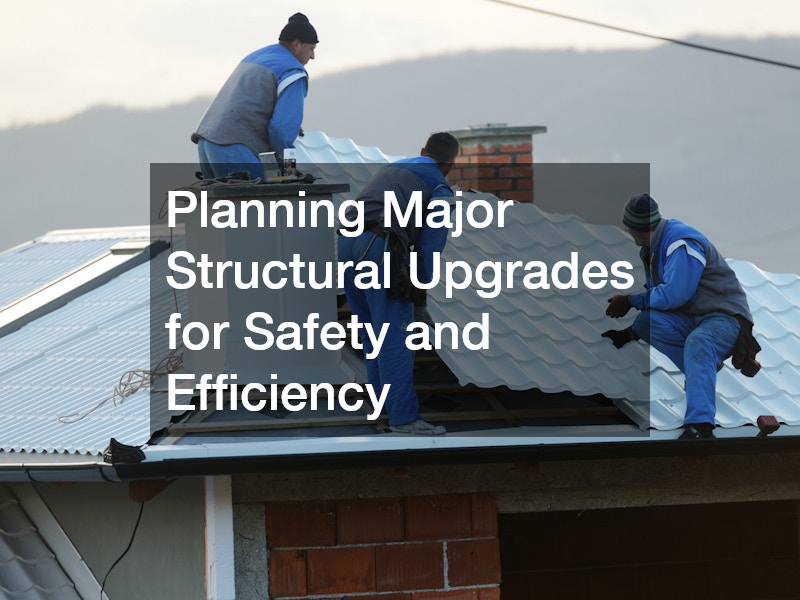
Major structural upgrades provide lasting benefits, particularly for homes with aging or heavily weathered roofs. Modern materials and installation techniques increase energy efficiency, reduce maintenance needs, and enhance property value.
Determine Whether Your Home Requires a New Roofing System
Every roof eventually reaches the point where repairs are no longer cost-effective. Understanding the signs that indicate the need for a full roof replacement helps you plan financially and avoid sudden failures.
Signs your home may need a new roofing system include:
- Frequent leaks or patch repairs.
- Widespread shingle deterioration.
- Mold or moss growth indicates trapped moisture.
- Warped panels or sagging roof decking.
- A roof age exceeding 20–30 years, depending on the material.
Replacing an older roof improves insulation, reduces energy waste, and prevents long-term structural damage.
Maximize Results Through Proper Planning and Roof Installation
Once you decide to move forward, thoughtful roof installation planning drastically affects performance and longevity. The right materials, ventilation systems, and installation techniques ensure the new roof withstands weather and temperature changes.
Planning considerations include:
- Selecting materials best suited for local climate conditions.
- Ensuring proper attic ventilation to prevent mold and overheating.
- Evaluating insulation to improve indoor comfort.
- Planning tear-off and installation schedules to avoid weather complications.
A well-planned installation ensures that the new roofing system lasts for decades, provides strong protection, and upgrades the home’s efficiency.
Modernizing Your Plumbing for a More Reliable Home Infrastructure
Home plumbing systems play a fundamental role in maintaining comfort, sanitation, and convenience. Aging pipes, outdated fixtures, and inefficient layouts can lead to leaks, water damage, and wasted resources. Modernizing plumbing is one of the most valuable improvements homeowners can make.
Evaluate Aging Pipes and Outdated Fixtures
Many older homes still rely on galvanized steel or polybutylene pipes, which corrode or fail over time. Even newer materials can suffer from wear if not maintained properly.
Signs of plumbing deterioration include:
- Low water pressure.
- Discolored or rust-tinted water.
- Persistent leaks or dripping.
- Frequent clogs.
- Loud or vibrating pipes.
Evaluating fixtures like sinks, faucets, and shutoff valves also helps identify inefficiencies and safety hazards.
Work With Reputable Professionals for Plumbing Upgrades
Minor repairs may be manageable, but structural or large-scale plumbing upgrades require skilled professionals. A trusted local plumber can identify problem areas and recommend durable solutions. Meanwhile, larger renovation or repiping projects often benefit from the expertise of established local plumbing companies with broader resources, ensuring the work meets safety standards and long-term performance expectations.
Professional advantages include:
- Access to advanced diagnostic tools.
- Knowledge of modern plumbing materials.
- Safe and compliant system upgrades.
- Warranties on parts and workmanship.
Updating plumbing improves reliability, water quality, and long-term functionality throughout the home.
Enhancing Home Efficiency Through Comprehensive Plumbing Improvements
Modern plumbing upgrades support water conservation, reduce utility costs, and improve convenience. Integrating these upgrades with broader home renovation projects provides an opportunity to maximize value.
Implement Water-Saving and Energy-Saving Plumbing Fixtures
Eco-friendly plumbing fixtures have become standard in efficient homes. They reduce water waste and improve overall performance.
Effective upgrades include:
- Low-flow faucets and shower heads.
- Dual-flush or pressure-assisted toilets.
- Smart leak detectors with automatic shut-off.
- Tankless water heaters for on-demand efficiency.
Working with experienced plumbing services ensures each fixture is installed properly and performs as intended.
Integrate Plumbing Improvements Into Kitchen Modernization Projects
Kitchen modernization often involves redesigning layouts, relocating appliances, and updating pipes to accommodate new features. Smart planning during a kitchen renovation ensures plumbing upgrades are integrated smoothly.
Plumbing-related kitchen improvements may include:
- Upgrading supply lines for refrigerators and dishwashers.
- Replacing corroded shutoff valves.
- Installing deeper sinks or high-efficiency fixtures.
- Improving drainage systems for long-term reliability.
Aligning plumbing improvements with kitchen updates ensures a modern, cohesive, and efficient living space.
Integrating Technology to Improve Everyday Home Operations
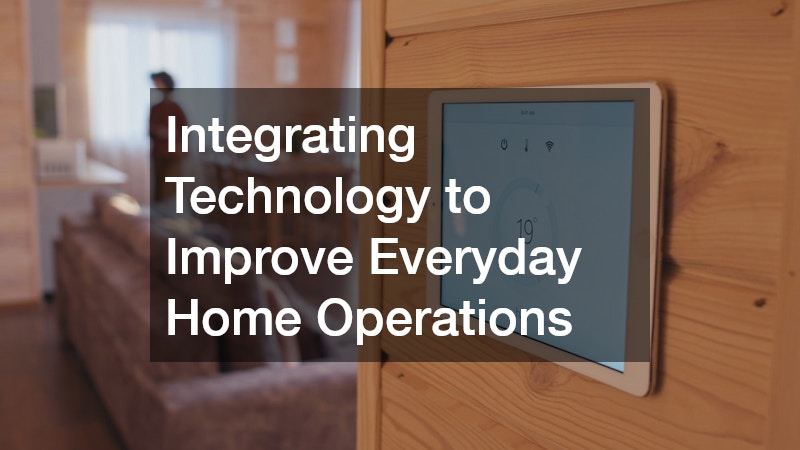
Technological innovation has transformed how homes operate. Modern systems monitor energy use, detect issues early, and automate everyday functions to improve convenience.
Install Smart Systems for Security, Comfort, and Efficiency
Smart home devices provide unprecedented control over daily home operations.
Popular upgrades include:
- Smart thermostats that adjust temperature intelligently.
- Video doorbells and security cameras.
- Automated lighting systems.
- Leak detection sensors that send instant alerts.
These systems enhance safety, reduce energy waste, and create a more responsive home environment.
Use Data and Monitoring Tools to Track Home Performance
Real-time data helps homeowners detect issues early and respond quickly.
Examples include:
- Energy usage dashboards.
- Water consumption tracking apps.
- HVAC efficiency monitors.
- Smart leak and humidity sensors.
These technologies reduce the risk of costly repairs and help optimize daily home performance.
Protecting Your Home With Preventive Maintenance Strategies
Preventive maintenance ensures every upgraded system continues to perform reliably. Regular inspections and minor repairs preserve the value of improvements and reduce the likelihood of major failures.
Create a Seasonal Home Maintenance Checklist
By planning tasks seasonally, homeowners can keep all major systems running smoothly.
Key seasonal tasks include:
- Cleaning gutters and downspouts.
- Checking HVAC filters and airflow.
- Inspecting roofs and siding after storms.
- Testing smoke detectors and carbon monoxide systems.
- Recaulking sinks, tubs, and window seals.
A structured checklist reduces the risk of overlooking essential tasks.
Extend the Lifespan of All Major Systems With Routine Care
Routine care is a small investment compared to the cost of major repairs or replacements.
Long-term maintenance benefits:
- Reduced emergency repair costs.
- Better energy performance.
- Longer lifespan for appliances and structural components.
- Enhanced safety and reliability.
Consistent upkeep supports a more efficient and resilient home.
Coordinating Multiple Upgrades for Maximum Value
Coordinating home improvements saves time, reduces costs, and helps ensure a cohesive design and performance outcome.
Plan Projects in Logical Order for Efficiency
Some projects naturally need to be done before others. Proper sequencing prevents redundant work and improves long-term results.
Examples of logical sequencing include:
- Roofing before installing attic insulation.
- Plumbing adjustments before kitchen or bathroom renovations.
- Electrical upgrades before installing smart systems.
This planning maximizes productivity and minimizes disruptions.
Budgeting and Scheduling Strategies for Whole-Home Modernization
Well-organized planning helps homeowners stay on budget and on timeline.
Strategies include:
- Gathering multiple quotes.
- Scheduling contractors during off-peak seasons.
- Prioritizing high-impact projects first.
- Allocating a contingency fund for unexpected issues.
Structured planning helps homeowners enjoy a smooth and efficient improvement process.
Modernizing your home’s infrastructure is one of the most effective ways to improve safety, comfort, and efficiency while preparing your home for future needs. Upgrading critical systems ensures long-term reliability and reduces the risk of costly repairs or unexpected failures. Whether you are focusing on climate control, improving safety through structural upgrades, or adopting modern technology to simplify daily living, every improvement contributes to a more functional and resilient home. Combining professional expertise with thoughtful planning allows homeowners to make informed decisions and invest wisely. As you address exterior structures, interior upgrades, and essential mechanical systems, each improvement strengthens the overall performance of your home.
By maintaining regular inspections, performing preventive maintenance, and coordinating upgrades strategically, your home becomes more efficient, more durable, and more enjoyable for years to come. With each intentional upgrade, you also enhance long-term property value, reduce energy waste, and create a healthier living environment. This forward-thinking approach ensures your home remains adaptable and better equipped to support your lifestyle well into the future.